


Discover Central Asia
Central Asia brings together five countries with distinct landscapes, histories and traditions. Explore the Silk Road cities of Uzbekistan, the mountains and lakes of Kyrgyzstan and Kazakhstan, the valleys of Tajikistan and the archaeological sites and deserts of Turkmenistan. Our multi-country journeys connect these destinations through carefully planned routes, combining cultural visits, outdoor activities and experiences with local communities.
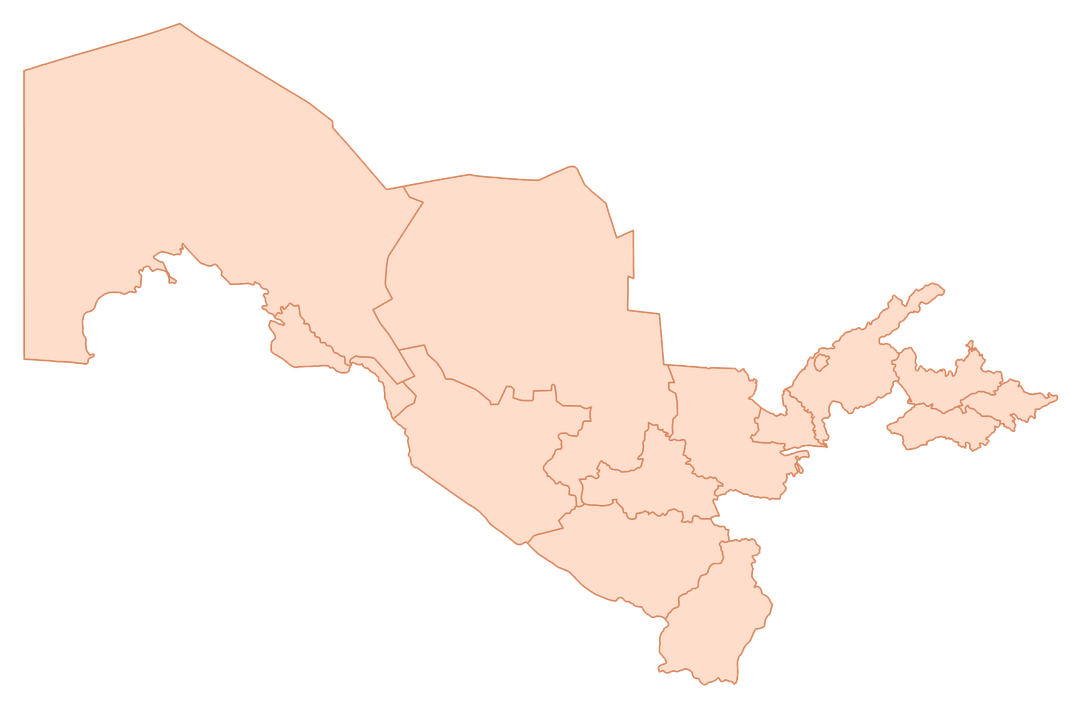
Spring (April–May) and autumn (September–October) are often comfortable for cultural journeys through several countries. Summer is generally better for higher-altitude hiking in Kyrgyzstan, Kazakhstan and Tajikistan, while lowland cities and deserts can be very hot. Winter journeys are possible on suitable routes. The best travel dates depend on the countries, elevations and activities included, so we plan each itinerary around seasonal conditions.
Visa rules differ between Uzbekistan, Kazakhstan, Kyrgyzstan, Tajikistan and Turkmenistan, and depend on your passport and length of stay. Some nationalities qualify for visa-free entry in certain countries; Turkmenistan generally requires advance visa arrangements, and some Pamir routes in Tajikistan require a GBAO permit. We advise checking each country separately before booking flights and confirm permit needs for the planned route.
Allow around 10–14 days for a focused journey combining two nearby countries, depending on arrival and departure points. Longer itineraries of two to three weeks can cover more regions without excessive road travel. Visiting all five countries usually needs additional time, as distances and border procedures add to travel days. We recommend choosing a realistic route rather than trying to include every major sight.
International flights serve major gateways such as Tashkent, Almaty, Astana, Bishkek, Dushanbe and Ashgabat, although routes and frequencies differ. Travel between countries may involve flights, trains, road transfers and official land-border crossings. There is no single transport arrangement that suits every itinerary. We plan connections, transfer times and border procedures around the selected countries and confirmed services.
For cultural sightseeing, bring comfortable walking shoes, sun protection and layers for changing temperatures. Mountain holidays need suitable hiking footwear, warm layers, waterproof protection and a daypack; desert itineraries require additional protection from heat, dust and sun. Clothing that covers shoulders and knees is helpful at some religious sites. Your final packing list should follow the countries, season and activities shown on the individual tour page.
Cultural itineraries mainly involve city walking, historic sites and road transfers. Hiking, cycling and horse-riding journeys can involve uneven terrain, long active days, steep gradients and altitude. Even a mostly cultural trip may include long drives between remote areas. Check the duration, elevation, activity grading and daily descriptions on your specific itinerary rather than assuming all Central Asia trips require the same fitness.
Accommodation depends on the route. City stays may use hotels and guesthouses, while mountain and rural itineraries may include family homestays or seasonal yurt camps. Facilities can be simpler outside cities, with shared bathrooms in some locations. You can find more information in the "Where You'll Stay" section of each tour page. Meals vary by country and region, with bread, rice or noodle dishes, vegetables and meat common. Please share dietary requirements in advance.
Each country has its own currency, so you will normally need to exchange or withdraw money when crossing borders. Cards work in many larger cities, but cash is important in rural areas and at smaller businesses. Access to ATMs and international cards can be especially limited in Turkmenistan. Tipping is generally discretionary and local practices vary. We provide practical advice for the countries and services included in your itinerary.
Mobile coverage is usually better in cities and towns than in remote mountains, deserts and border areas. Local SIM cards or eSIMs may be useful, but registration and availability vary by country. Internet access in Turkmenistan is more restricted, and some services may be inaccessible. Type C and F plugs are common across the region, generally with 220V electricity. Bring an adapter and a power bank for remote travel.
Most organised border crossings are manageable with the correct documents, but opening hours, procedures and permitted routes can change. Mountain roads, altitude, weather and long transfer distances also require planning. Follow current official travel advice and your guide's instructions, especially near restricted border areas. We recommend bottled or properly treated drinking water rather than untreated tap or stream water; provision varies by itinerary.
We strongly recommend insurance that covers every country visited, medical treatment, emergency assistance, cancellation and personal belongings. If your programme includes hiking, cycling or horse riding, confirm that the policy covers those activities and the maximum altitude. Remote mountain trips particularly benefit from evacuation coverage. Check that country exclusions, entry requirements and border transit arrangements are compatible with your itinerary.
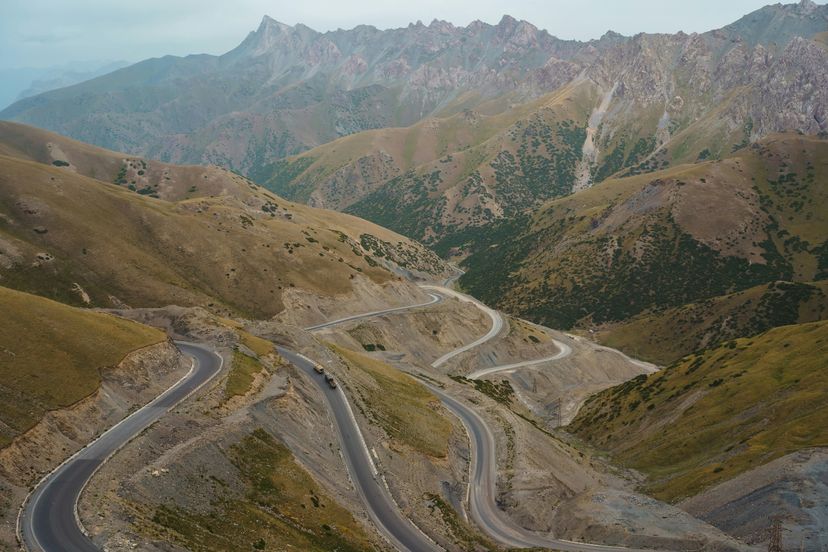
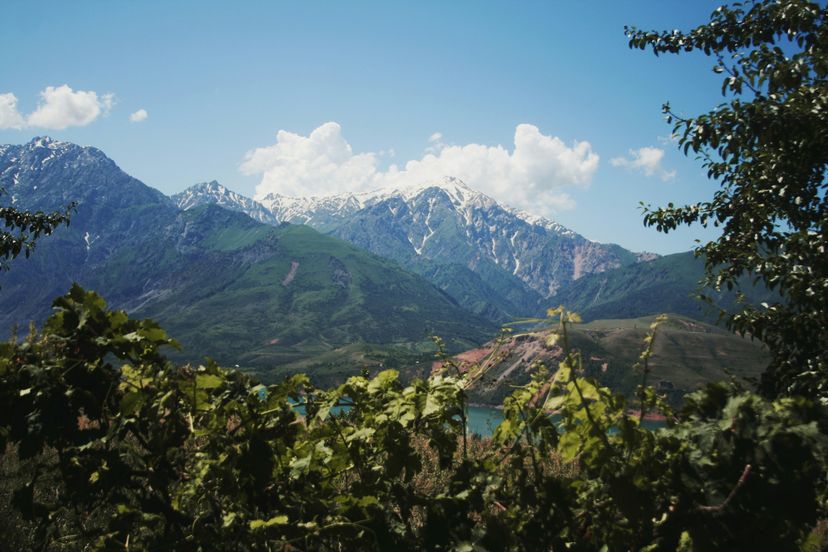
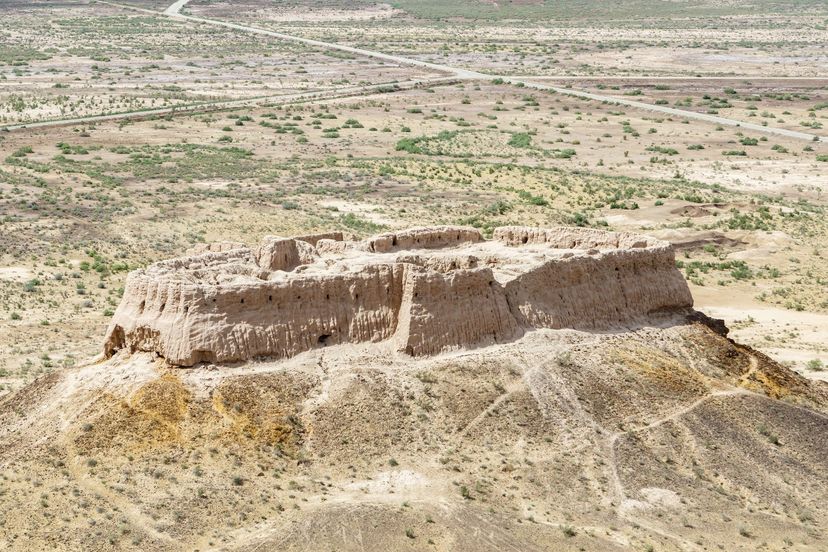
Why Choose Nuratau?
When you embark on a community-based tourism journey with Nuratau Travel, you're not just a traveller; you become a part of something much bigger. By staying in charming homestays and sharing meals with host families, you directly support local communities – empowering them, helping preserve their heritage, and giving you an authentic glimpse into their daily life.

Guides with Local Insights

Historic Architectural Marvels

Immersive Cultural Experiences
TRAVEL GUIDES