


Discover Tajikistan
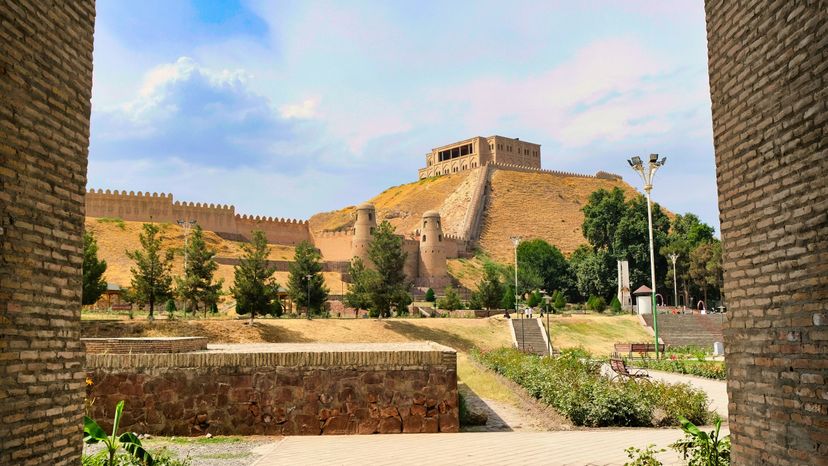
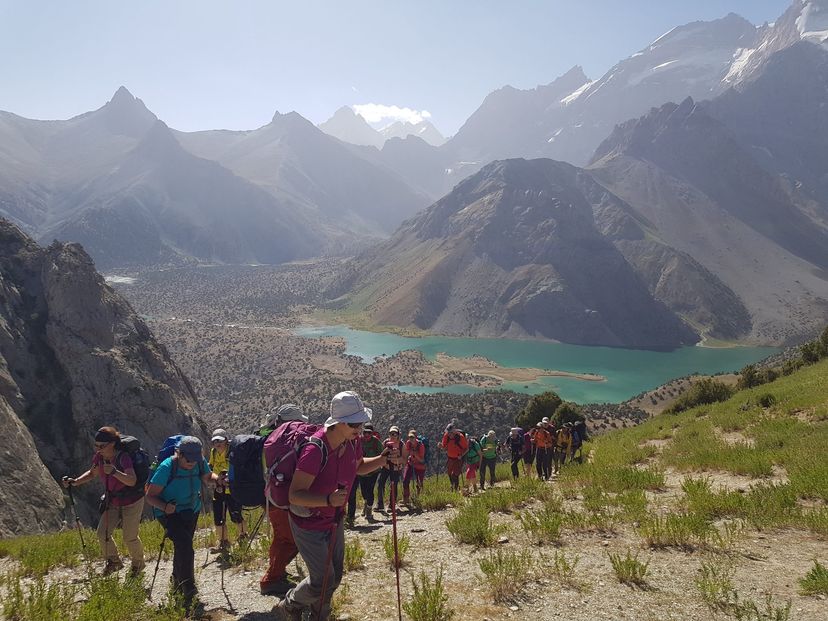
Tajikistan is shaped by mountains, river valleys and centuries of cultural exchange. Explore Dushanbe and Penjikent, visit the Seven Lakes in the Fann Mountains and discover the archaeological remains of ancient Sarazm. Mountain journeys range from village walks to demanding treks, while longer routes reach the Pamir region. We plan trips around the terrain, travel times and local conditions of each route.
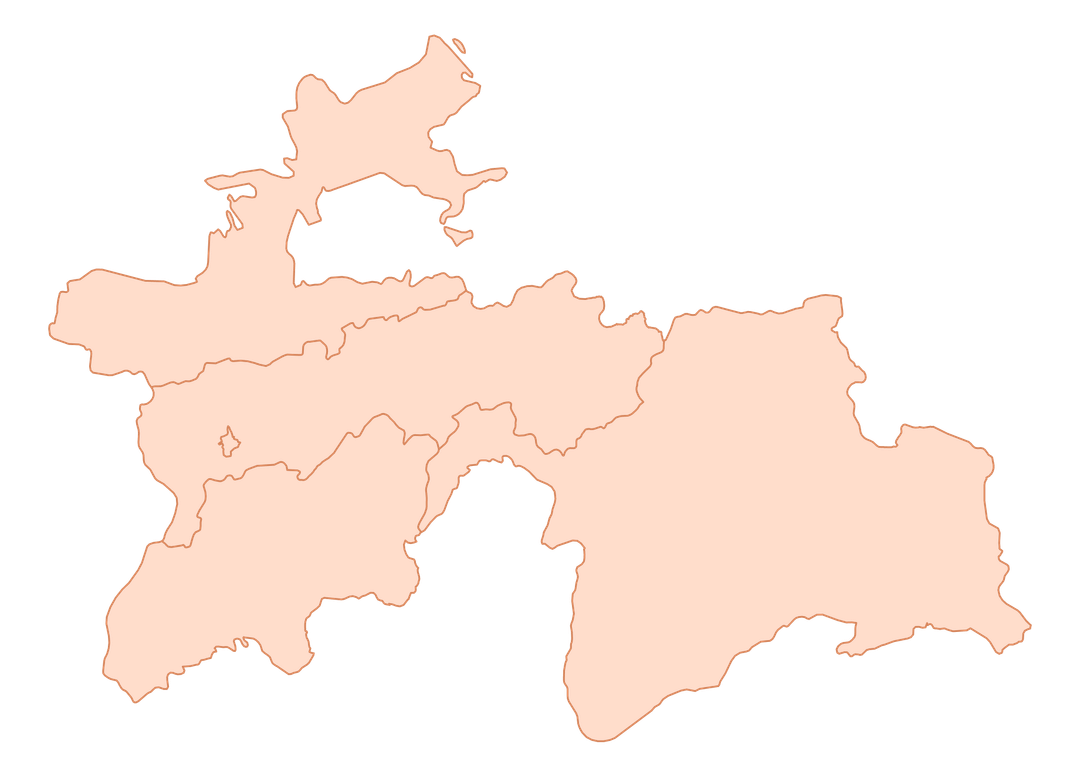
Late spring to early autumn is generally suitable for visiting Tajikistan, but the best months depend on where you plan to go. Lower valleys and cities can be hot in summer, while high mountain passes may remain snowbound well into the warmer season. For walking in the Fann Mountains, summer and early autumn are often suitable. Tajikistan can also be visited at other times, with routes adjusted to the season and road conditions.
Visa requirements depend on your nationality and length of stay. Some passport holders may visit visa-free, while others can apply for an e-visa through Tajikistan's official system. Travel into the Gorno-Badakhshan Autonomous Region (GBAO), including parts of the Pamirs, requires a separate permit even for some visa-exempt visitors. Check the official visa guidance and confirm any permit requirements for your exact itinerary before travelling.
A week can cover Dushanbe, Penjikent and the Seven Lakes, depending on arrival and departure arrangements. Allow around 10–14 days if you want time for additional hiking in the Fann Mountains and stops along the way. A Pamir Highway journey generally needs a longer itinerary because road distances, altitude and travel conditions limit the ground you can cover each day. We recommend allowing flexibility for mountain travel.
Dushanbe is the main international air gateway; Khujand also has an international airport. Flight routes and schedules vary, so connections should be checked for your dates. Road transport is central to travel within Tajikistan, particularly for the Fann Mountains and Pamir region. Mountain drives can be long, with winding roads, seasonal restrictions and occasional delays. On our tours, transport arrangements are planned around the specific route and conditions.
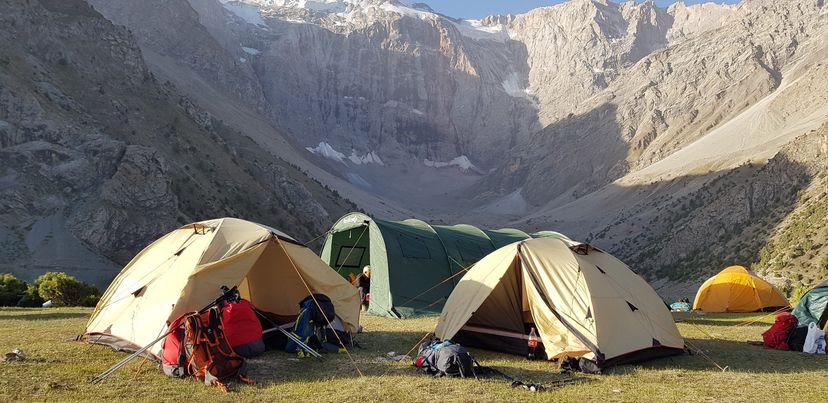
For city visits, bring comfortable walking shoes, sun protection and clothing suitable for the season. For mountain journeys, pack sturdy footwear, waterproof layers, warm clothing and a small daypack. Weather can change quickly at altitude, and even summer nights may be cold. Your packing requirements will depend on whether your itinerary includes short walks, guesthouse stays or multi-day trekking; check the equipment guidance for your chosen tour.
Cultural sightseeing and short walks around the Seven Lakes are different from multi-day trekking in the Fann or Pamir Mountains. Mountain trails may be steep, rocky and uneven, with long ascents and significant altitude. Higher routes require suitable fitness and careful acclimatisation planning. We describe the activity level and daily walking requirements in individual itineraries, so travellers can choose a route appropriate to their experience.
Accommodation depends on the route. Cities offer hotels and guesthouses, while journeys through mountain valleys may include simpler family-run guesthouses or homestays. Facilities are more basic in remote areas, and private bathrooms are not always available. You can find more information about accommodation in the "Where You'll Stay" section of each tour page. Meals commonly include soups, bread, rice dishes, vegetables and meat-based specialities. Vegetarian options may be more limited outside the cities; please advise us of dietary requirements before travelling.
The local currency is the Tajikistani somoni (TJS). Cards may be accepted in some larger hotels and businesses in Dushanbe, but cash is important in smaller towns and mountain villages. ATMs and exchange services become less common outside major centres. Tipping for good service is appreciated but discretionary; we can advise on practical amounts for guides and drivers before your trip.
Mobile service is generally better in cities and larger towns than in remote valleys and high mountains. Coverage and data access can be patchy during treks and on long road journeys; check roaming costs or local SIM options before arrival. Tajikistan commonly uses 220V electricity at 50Hz and Type C/F plugs. Carry a suitable adapter and consider a power bank for remote travel.
Travel conditions vary significantly between cities and remote mountain regions. Road conditions, altitude, weather and border-area restrictions deserve particular attention; follow current official travel advice and your guide's instructions. We recommend bottled or properly treated water rather than untreated tap or stream water. Drinking-water arrangements depend on your itinerary and should be checked in the tour information.
We strongly recommend travel insurance covering medical treatment, emergency assistance, cancellation and the activities included in your trip. For mountain tours, make sure the policy covers trekking at the maximum planned altitude and emergency evacuation from remote areas. Confirm the coverage before departure, especially for routes where medical facilities and communications are limited.
Why Choose Nuratau?
When you embark on a community-based tourism journey with Nuratau Travel, you're not just a traveller; you become a part of something much bigger. By staying in charming homestays and sharing meals with host families, you directly support local communities – empowering them, helping preserve their heritage, and giving you an authentic glimpse into their daily life.

Guides with Local Insights

Historic Architectural Marvels

Immersive Cultural Experiences
TRAVEL GUIDES