


Discover the Aral Sea
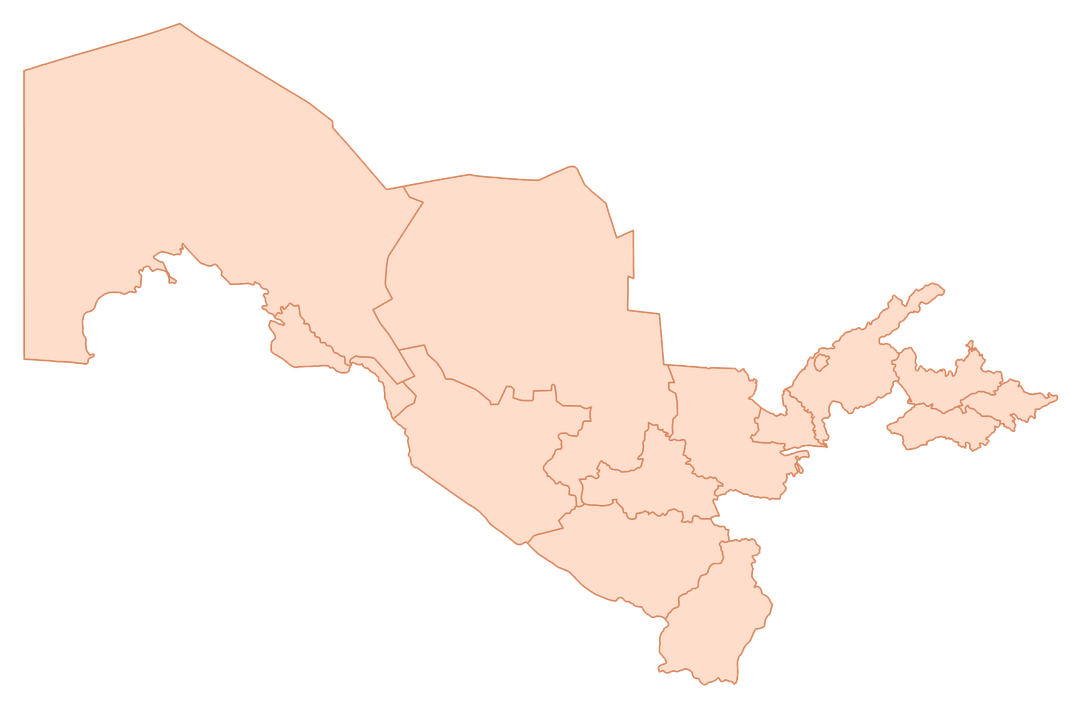
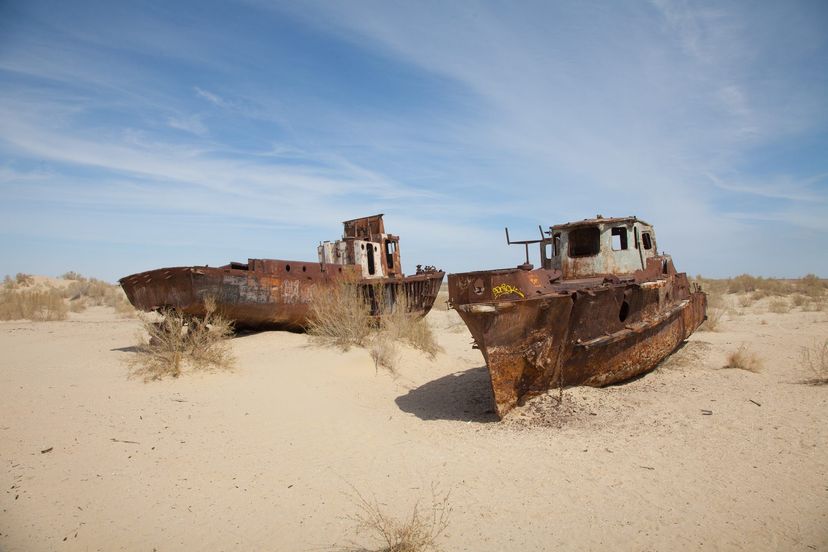
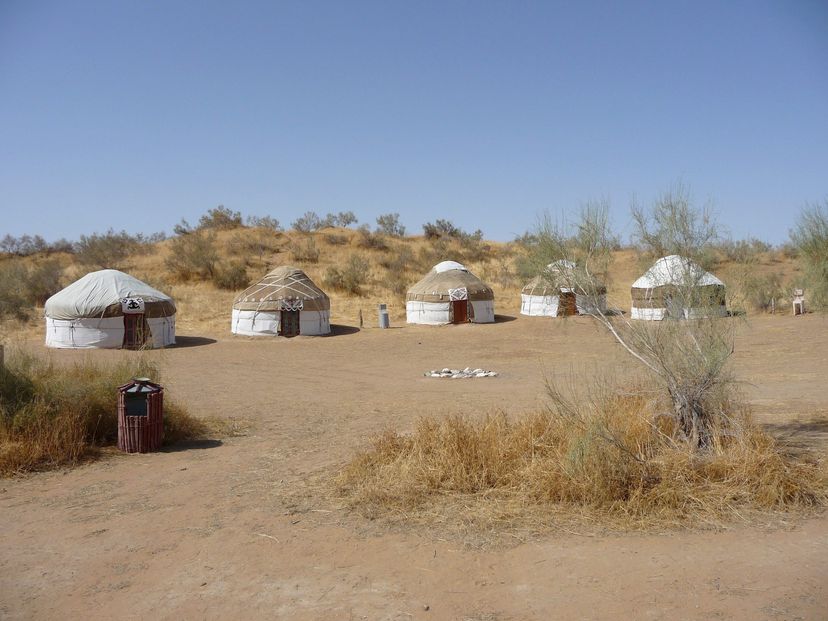
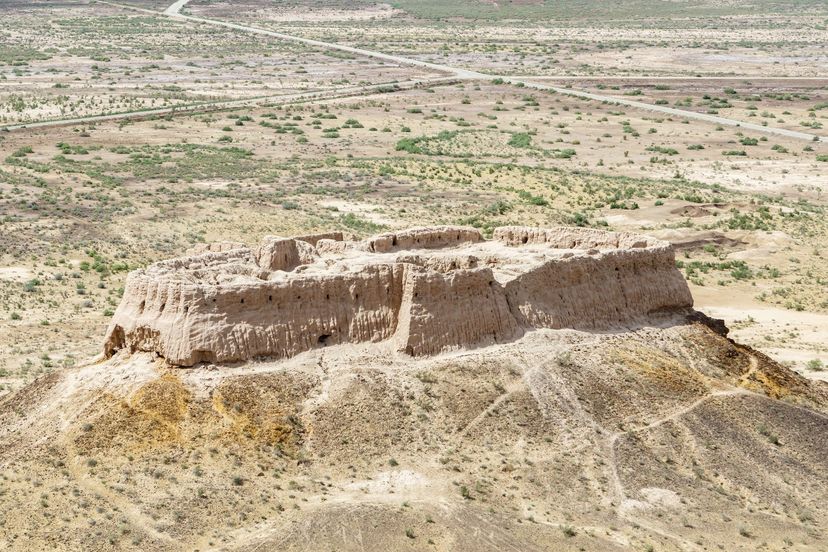
The Aral Sea region is one of the most striking landscapes in Central Asia, shaped by the sea's retreat and the desert that followed. Journeys here visit the ship cemetery at Muynak, the Ustyurt plateau, desert fortresses and yurt camps, with long drives and remote conditions. We plan these trips carefully, with local guides and realistic travel times.
Spring and autumn are the most comfortable seasons, with milder temperatures for long drives and desert stops. Summer can be extremely hot, and winter is cold with difficult conditions.
We plan itineraries around the season and avoid the worst of the midday heat.
Citizens of many countries, including the UK, EU countries, the USA, Canada, Australia, New Zealand, Japan and South Korea, can visit Uzbekistan visa-free for short stays. Other travellers may be eligible for an electronic visa.
Entry rules depend on your nationality and passport. Check the latest requirements through Uzbekistan's official government website or your nearest embassy before travelling.
Two to four days is typical, depending on whether you start from Nukus or combine the region with Khiva and the desert fortresses. Distances are long, so travel days matter.
We recommend allowing flexibility for road conditions and weather.
Most trips start in Nukus, which has an airport and road links to Khiva and the surrounding region. From there, journeys use private vehicles with local drivers and guides.
Long drives are part of the experience, so we build in stops and realistic timings.
Bring sun protection, a hat, sunglasses and layers for cool evenings. Dust and wind are common, so a scarf or buff is useful.
Sturdy shoes, a power bank and a refillable water bottle are also practical for remote travel.
Accommodation may include hotels in Nukus and simpler guesthouses or yurt camps in the desert, depending on the itinerary. Facilities can be basic in remote areas.
Meals are often simple and taken with hosts or at local establishments; dietary needs should be raised in advance.
Uzbekistan uses the Uzbekistani som (UZS). Cards work in many hotels, restaurants and larger shops in the main cities, but cash is useful for markets, small businesses and rural areas. ATMs are available in cities and larger towns.
Tipping is appreciated but discretionary. We can advise on appropriate amounts for guides, drivers and hospitality staff.
The region is generally safe with a local guide, but travel is remote and services are limited. Follow your guide's advice on roads, heat and desert conditions.
Drink bottled or properly treated water; provision is confirmed in the itinerary.
We strongly recommend comprehensive travel insurance covering medical treatment, emergency assistance, cancellation and personal belongings. If your trip includes hiking, cycling or horse riding, check that the policy covers those activities and any altitude or evacuation needs.
Why Choose Nuratau?
When you embark on a community-based tourism journey with Nuratau Travel, you're not just a traveller; you become a part of something much bigger. By staying in charming homestays and sharing meals with host families, you directly support local communities – empowering them, helping preserve their heritage, and giving you an authentic glimpse into their daily life.

Guides with Local Insights

Historic Architectural Marvels

Immersive Cultural Experiences
TRAVEL GUIDES